



Nutrition Before the Battle: Why Early Nutrition Matters in Cancer Care

“Sugar feeds cancer.” “Avoid carbohydrates.” “Meat and chicken are bad for cancer patients.” These are some of the messages patients may encounter online after a cancer diagnosis. When someone is already coping with fear, treatment decisions and physical symptoms, food can quickly become another source of anxiety.
Unnecessary food restrictions can make it harder to meet energy and protein needs at a time when the body may already be under stress from cancer and its treatment. For Malaysian Dietitians’ Day 2026, themed “Earlier Nutrition. Better Outcomes.”, cancer care is a strong reminder that nutrition should not wait until significant weight loss, poor appetite or weakness has already developed.
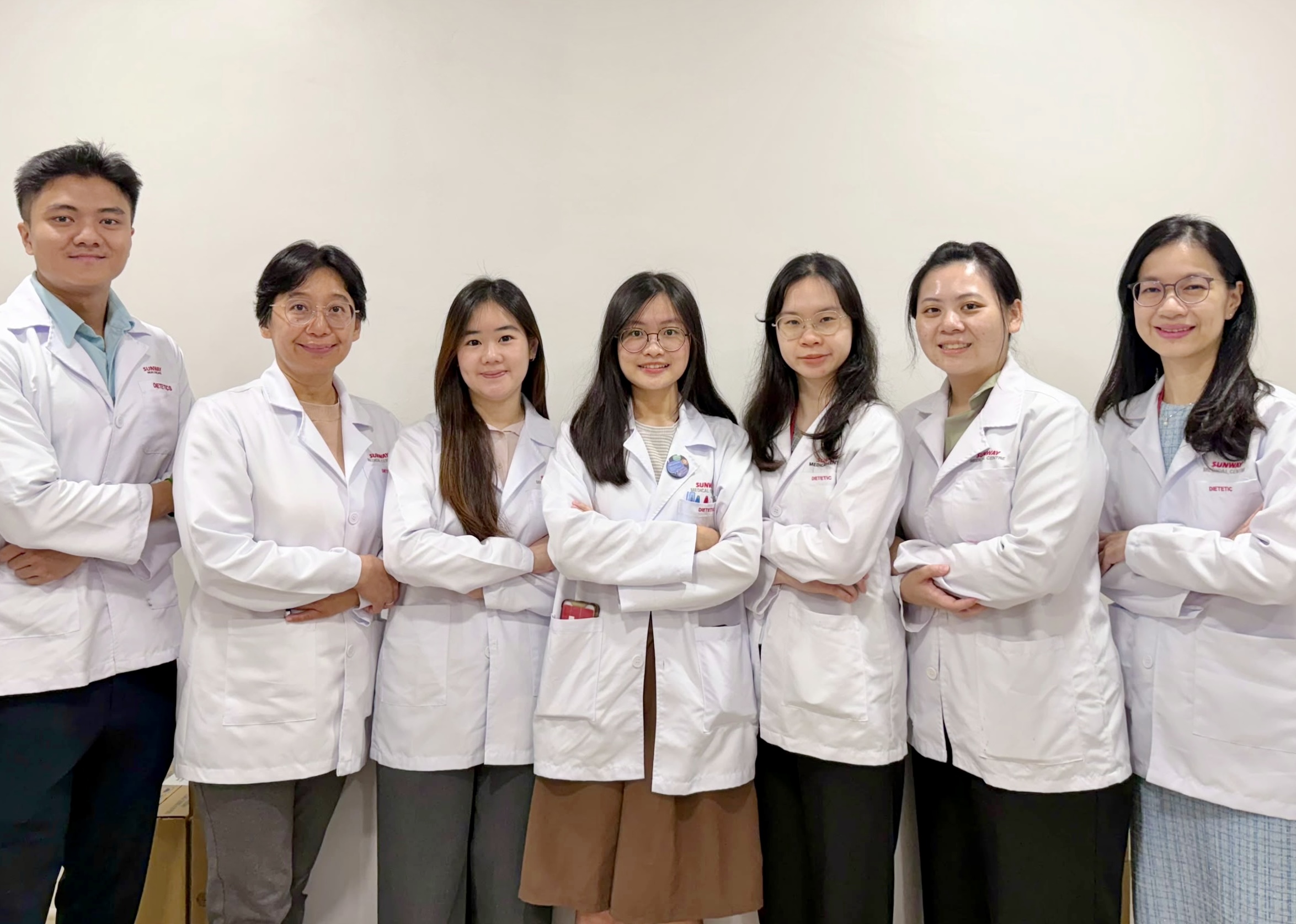
At Sunway Medical Centre Velocity (SMCV), Dietetics & Nutrition Services work alongside the wider Clinical Oncology team to support patients with clinical evidence-based, practical, individualised nutrition care throughout the cancer journey.
Cancer Can Affect Nutrition Before Treatment Begins
Nutritional decline does not always begin after chemotherapy or radiotherapy. Cancer itself can affect appetite, metabolism and the ability to consume enough. Some patients experience poor appetite, early fullness, nausea, vomiting, taste changes, swallowing difficulties or gastrointestinal symptoms before treatment starts.
Treatment can add another layer of difficulty. Surgery, chemotherapy and radiotherapy may contribute to side effects such as nausea, diarrhoea, mouth soreness, taste changes, swallowing problems and fatigue. When these symptoms reduce food intake over time, patients may lose weight and muscle, making daily activities and recovery more challenging.
This is why early nutrition screening is useful to identify malnutrition risk before a patient becomes visibly frail or significantly undernourished.
What Does a Dietitian Look At Beyond Body Weight?
Nutrition assessment in cancer care is more than checking the number on a weighing scale. Dietitians consider recent weight changes, appetite, food intake, muscle loss, treatment side effects, swallowing or gastrointestinal symptoms, medical history and the patient’s current nutritional needs.
A patient can appear to have a normal body weight and still be at nutritional risk if food intake has dropped or muscle mass is declining. Early referral gives the dietitian more opportunity to address these issues before they become complicated.
Does Sugar Really “Feed” Cancer?
This is one of the most common nutrition myths in cancer care. All cells in the body use glucose for energy, including cancer cells. But avoiding all sugar or carbohydrates does not selectively starve cancer cells, and restrictive diets can make it harder for some patients to meet their nutritional needs.
That does not mean added sugar should be consumed without limits. The wider goal is still a balanced diet that supports overall health. The important distinction is that a patient should not cut out entire food groups because of fear or online misinformation without discussing the decision with the healthcare team.
Do Cancer Patients Need to Avoid Meat or Chicken?
No. Protein is an important element for maintaining muscle and supporting recovery. Depending on the patient’s symptoms, preferences and medical condition, suitable protein sources may include fish, chicken, eggs, dairy products, tofu, nuts and legumes.
There is no single “cancer diet” that works for everyone. Food choices should be personalised according to treatment, symptoms, nutritional status, cultural preferences and any other medical conditions.
What Is Medical Nutrition Therapy in Cancer Care?
Medical Nutrition Therapy, or MNT, means using a clinical evidence-based and individualised nutrition plan to address the patient’s specific clinical and nutritional needs. It is not simply a list of foods to eat or avoid.
For a patient with poor appetite, the focus may be increasing energy and protein without making portions much larger. For someone with mouth ulcers, chewing and swallowing difficulty or taste changes, the priority may be choosing foods that are softer, easier to tolerate and more appealing.
The nutrition care plan can change throughout the cancer recovery journey.
Practical Ways to Improve Intake During Cancer Treatment
Eat small, frequent meals
Instead of relying on three large meals, try to eat smaller portions frequently (5-6 meals/day) in order to optimise your daily nutrition requirements.
Fortify meals without increasing portion size
Add nutrient-dense ingredients such as egg, minced meat, tofu or anchovies to porridge, noodles or other familiar foods.
Increase energy where appropriate
Nut butter, avocado, olive oil, milk or other energy-dense ingredients can help increase nutrition intake when larger meals are difficult.
Choose high-energy, high-protein snacks
Yoghurt, milkshakes, soy milk and blended drinks can be useful. Fruits can be blended with milk, yoghurt, sago or ice cream depending on the patient’s needs and tolerance.
Modify food texture for mouth ulcers or swallowing difficulty
Soft and moist foods such as porridge, mashed potato and yoghurt may be easier to tolerate. Sauces or gravies can help make foods easier to swallow.
Adapt to taste changes
Experiment with herbs and seasonings. Chilled foods may reduce strong smells. If meat becomes unappealing, other protein sources such as eggs, dairy, tofu, fish or legumes may be considered.
Consider oral nutritional supplements when needed
Oral nutritional supplements may be useful when food alone is not meeting nutritional needs. The type and amount should be discussed with the dietitian or healthcare team.
When Should a Cancer Patient See a Dietitian?
Ideally, nutrition should be considered early rather than waiting for severe weight and muscle loss. A dietitian referral may be particularly helpful when a patient has poor appetite, unintentional weight loss, reduced food intake, swallowing problems, persistent nausea or diarrhoea, significant taste changes, difficulty maintaining muscle strength, or questions about restrictive diets and supplements.
Patients who are preparing for major cancer surgery, chemotherapy or radiotherapy may also benefit from early nutrition assessment, especially if there are already a sign of poor or loss of appetite.
Why Early Nutrition Matters for Strength and Quality of Life
Malnutrition and muscle loss should not simply be accepted as unavoidable side effects of cancer. Cancer-related nutritional problems can be complex, but earlier recognition allows the care team to respond sooner with practical strategies, symptom management and nutrition support.
The aim is not to force patients to eat or to promise that nutrition can treat cancer itself. The aim is to help patients meet optimum nutritional needs, maintain muscle strength and its function, and preserve quality of life.
Food Should Support the Cancer Journey, Not Add to the Fear
A cancer diagnosis can make patients question every meal. Social media can magnify that uncertainty by turning complex nutrition science into simple rules about what patients should fear.
Instead of unnecessary restrictions, patients need advice that is practical, evidence-based and tailored to their individual situation. Earlier nutrition screening and dietetic support can help identify problems before they become more complex and provide patients strategies they can actually apply at home.
For personalised nutrition support during cancer treatment, learn more about SMCV Dietetics & Nutrition Services. Patients receiving cancer treatment can also explore Clinical Oncology and the Chemo Day Ward at Sunway Medical Centre Velocity.
Frequently Asked Questions
Was this article helpful?
1 out of 1 found this helpful
Suggest to Read