



Brain Aneurysm: Can It Be Found Before It Ruptures?
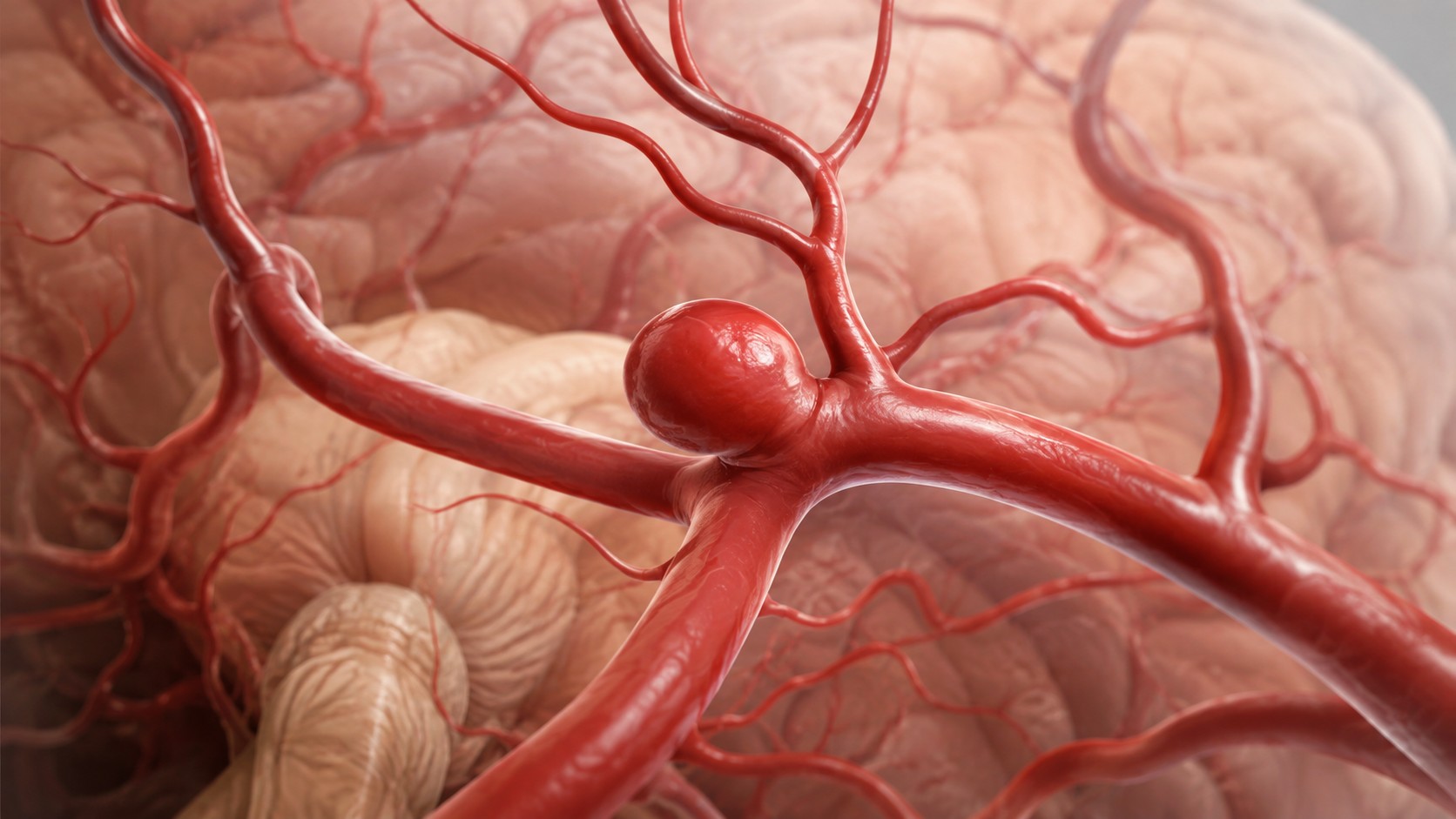
A brain aneurysm can sound frightening because it is often associated with sudden bleeding in the brain. Yet not every aneurysm ruptures, and many are discovered before they ever cause an emergency.
A brain aneurysm, also called a cerebral aneurysm, is a weakened area in the wall of an artery in or around the brain that bulges outward. Some remain small and stable. Others may grow, press on nearby structures or, in some cases, rupture and cause bleeding around the brain.
Let’s understand more with Dr Gerard Arvind Martin, Consultant Neurosurgeon, whose clinical focus at Sunway Medical Centre Velocity includes cerebral aneurysms and other cerebrovascular conditions, on how an aneurysm may be discovered before rupture and how specialists decide whether monitoring or treatment may be appropriate.

What is a brain aneurysm?
A brain aneurysm develops when part of an artery wall becomes weakened and begins to bulge outward. Many are small and do not cause symptoms. The main concern is whether an aneurysm is likely to remain stable or whether its features suggest a greater risk of growth or rupture.
If an aneurysm ruptures, it can cause bleeding around the brain, most commonly a subarachnoid haemorrhage. This is a medical emergency.
Do brain aneurysms always cause symptoms before they rupture?
No. Most unruptured brain aneurysms do not cause symptoms. When an aneurysm becomes large enough to affect nearby nerves or brain tissue, possible symptoms can include:
- Pain above or behind one eye.
- Blurred or double vision.
- A drooping eyelid or enlarged pupil.
- Numbness or tingling on part of the face.
- Headache.
- Seizure in selected cases.
These symptoms are not specific to aneurysms and can have many other causes. The absence of symptoms also does not prove that an aneurysm is absent.
How are unruptured brain aneurysms usually discovered?
Some are discovered incidentally when a person undergoes brain imaging for another reason. Others are found during targeted investigation because of symptoms, family history or another medical condition that raises concern.
Different tests answer different questions:
CT and CT angiography
A CT scan can quickly assess the brain, including for bleeding. CT angiography uses contrast to provide more detailed images of the brain’s arteries and can show an aneurysm’s size, shape and location.
MRI and MR angiography
MRI provides detailed images of the brain. MR angiography focuses on the blood vessels and can help identify and characterise an aneurysm.
Cerebral angiography
A cerebral angiogram uses a catheter and contrast dye to produce very detailed images of the brain’s blood vessels. It may be considered when more anatomical detail is required for diagnosis or treatment planning.
SMCV’s Radiology service includes CT, MRI and MR angiography capabilities that can support neurological and cerebrovascular assessment when clinically indicated.
Who may need further assessment or screening?
Routine screening is not recommended for everyone. A doctor may discuss screening or closer assessment when a person has a strong family history of brain aneurysm or certain inherited or vascular conditions associated with a higher risk.
The decision should be individualised. Screening has potential benefits, but it can also identify very small aneurysms that may never cause harm, which can lead to additional testing, monitoring and difficult treatment decisions.
What increases the risk of an aneurysm forming or rupturing?
Risk is influenced by a combination of factors. Some cannot be changed, such as age or family history. Others may be modifiable, including smoking and poorly controlled high blood pressure. For a known aneurysm, specialists also assess its size, shape, location and whether it changes on follow-up imaging.
If an aneurysm is found, does it always need treatment?
No. Finding an aneurysm does not automatically mean that surgery or an endovascular procedure is needed. Some small, stable aneurysms may be monitored with repeat imaging, especially when the estimated treatment risk is greater than the expected rupture risk.
Treatment may be considered when the aneurysm has features associated with greater concern, such as growth, certain locations, an irregular shape, symptoms or other individual risk factors. The decision is made after balancing the natural risk of the aneurysm against the risks and benefits of intervention.
How can a brain aneurysm be treated?
When treatment is recommended, the aim is to prevent blood from continuing to enter the aneurysm and reduce the risk of rupture or rebleeding.
Surgical clipping
During surgical clipping, a neurosurgeon accesses the aneurysm and places a small metal clip across its neck to stop blood from flowing into it. Aneurysm clipping is among Dr Gerard Arvind Martin’s listed procedural focuses at SMCV.
Endovascular treatment
Some aneurysms may be treated from inside the blood vessel using techniques such as coiling, stent-assisted treatment or flow diversion. The most suitable option depends on the anatomy of the aneurysm and the patient’s overall situation.
For patients who require surgery, SMCV’s Surgical Centre includes operating theatre and advanced neuro-spine visualisation facilities used for complex surgical care.
What are the warning signs of a ruptured brain aneurysm?
A ruptured brain aneurysm requires emergency medical attention. A classic warning symptom is a sudden, extremely severe headache that reaches maximum intensity very quickly, often described as a thunderclap headache or the worst headache of a person’s life.
- Sudden nausea or vomiting.
- Neck stiffness.
- Blurred or double vision.
- Sensitivity to light.
- Seizure.
- Confusion or loss of consciousness.
- Sudden weakness or numbness.
If these symptoms occur suddenly, seek emergency medical care immediately.
Can rupture risk be reduced?
Not every aneurysm can be prevented. However, controlling modifiable vascular risks such as smoking and high blood pressure is important for overall cerebrovascular health. People with a known aneurysm should follow the monitoring and treatment plan recommended by their medical team.
Why specialist assessment matters
The difficult part of an unruptured aneurysm is that there is no single rule that determines what should happen next. Two aneurysms of the same size can carry different considerations because of their location, shape, the person’s age, medical history and family history.
At SMCV, cerebrovascular conditions including aneurysms are managed within Neurosurgery at Velocity Neurocentre. A specialist assessment can help patients understand whether observation, further imaging or treatment is the more appropriate next step.
A brain aneurysm may be silent, but the decision does not have to be uncertain
Many aneurysms are discovered before rupture. For people at higher risk, or for those whose scan reveals an unexpected aneurysm, the goal is not to create fear. It is to understand the finding, estimate risk as carefully as possible and make an informed plan.
Learn more about Dr Gerard Arvind Martin and Neurosurgery at Velocity Neurocentre at Sunway Medical Centre Velocity.
Frequently Asked Questions
Was this article helpful?
0 out of 0 found this helpful
Suggest to Read