


Cancer and Family History: What It Means for You and Your Loved Ones
“I feel fine, but cancer runs in my family, should I be worried?”
This is a question many people quietly carry with them. You may have watched a parent, sibling, or close relative go through cancer treatment, and even if you’re healthy now, the thought can linger in the back of your mind: Does this increase my own risk? Should I be doing something differently?
Let’s understand this better with Dr Ivan, Consultant Oncologist at Sunway Medical Centre Velocity.
Understanding how family history relates to cancer risk can offer clarity and reassurance, helping individuals take proactive, informed steps for their health rather than living with uncertainty or fear.

Does Family History Mean You Will Get Cancer?
For many patients, the first fear is inevitability. The reality is more reassuring.
Most cancers are not inherited. They develop over time due to a combination of aging, lifestyle, environment, and random cell changes. However, a smaller proportion of cancers are linked to inherited genetic traits passed down through families.
Having a family history of cancer does not mean you will develop cancer. It means your risk may be higher than average, and that awareness allows doctors to recommend earlier or more personalised screening.
From a patient’s perspective, this knowledge turns fear into something actionable.
When Doctors Pay Closer Attention to Family History
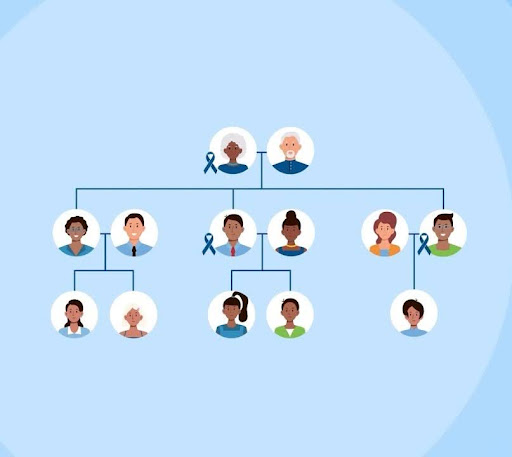
Patients often wonder whether their family history “counts.” Doctors are more alert when they see patterns such as:
-
Several relatives with the same type of cancer
-
Cancer diagnosed at a younger age than usual
-
A relative who developed more than one cancer
-
Certain cancers appearing together within the family
These patterns may suggest an inherited risk that deserves closer monitoring.
Even details that seem distant, an aunt, uncle, or grandparent, can help build a clearer picture of risk.
Cancers Commonly Linked to Family History
Some cancers are more likely to have a hereditary component. These include:
-
Breast and ovarian cancer
-
Colorectal (bowel) cancer
-
Prostate cancer
-
Endometrial (uterine) cancer
-
Certain stomach and pancreatic cancers
Patients often say they didn’t realise these connections until a doctor explained them. Knowing which cancers matter helps focus screening where it counts.
Why Sharing Your Family History Empowers You
Many patients only mention family history if directly asked. Others worry they might be overreacting.
In reality, sharing this information helps your doctor decide:
-
When screening should begin
-
How often checks should be done
-
Whether additional tests are needed
-
If genetic counselling may be useful
For patients, this often brings relief. Instead of guessing, you have a clear plan.
Screening: A Tool for Reassurance, Not Fear
Screening isn’t about expecting bad news. From a patient’s point of view, it often provides reassurance.
For those with increased family risk, doctors may recommend:
-
Earlier screening
-
More frequent monitoring
-
Additional screening methods tailored to risk
Finding a problem early usually means simpler treatment and better outcomes, and many patients say the peace of mind alone is worth it.
Genetics Are Not the Whole Story
Patients sometimes worry that genes override everything else. They don’t.
Lifestyle still plays a powerful role. Regular physical activity, balanced nutrition, avoiding smoking, limiting alcohol, and managing long-term conditions all contribute to lowering overall cancer risk, even in those with inherited tendencies.
Think of genetics as information, not a sentence.
When Should You Seek Further Advice?
You may want to speak to a doctor if:
-
Cancer has affected several family members
-
You’re unsure when to start screening
-
Anxiety about cancer risk is affecting your wellbeing
-
You’ve been advised to consider genetic assessment
These conversations are about clarity and planning, not alarm.
Moving Forward with Confidence
Having a family history of cancer can feel heavy, but it also offers something valuable: awareness.
If you or your loved ones have concerns about cancer risk, a consultation at Sunway Medical Centre Velocity can help you understand what your family history means, and what steps, if any, are right for you.
With the right guidance, screening, and support, many patients find that knowledge replaces fear — and that proactive care becomes an empowering part of protecting their future health.
Was this article helpful?
0 out of 0 found this helpful
Suggest to Read