


Morning Sickness vs Hyperemesis
Understanding Severe Nausea in Pregnancy
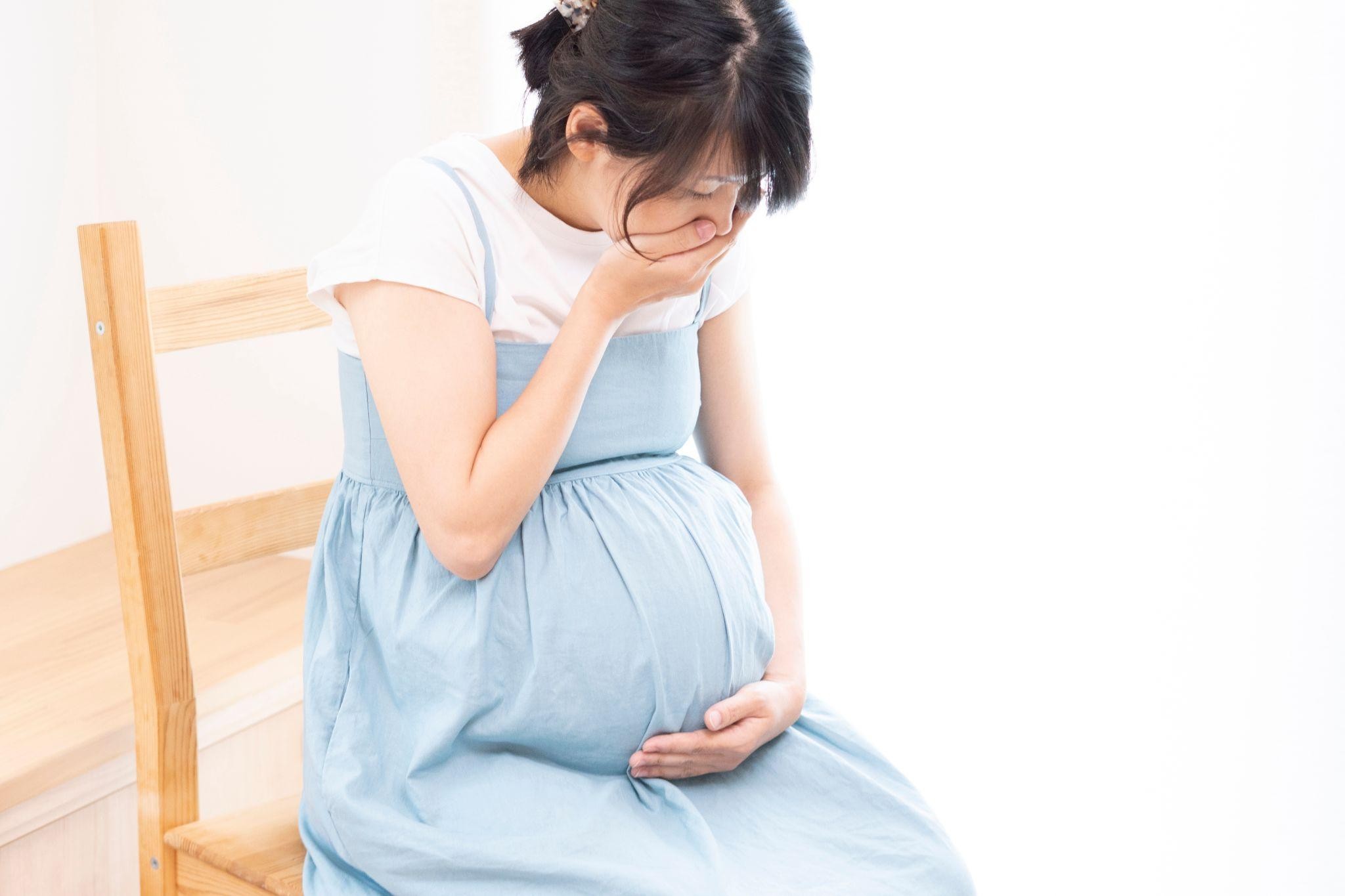
Nausea and vomiting are often described as a “normal” part of pregnancy. For many women, it’s one of the earliest signs that the body is adjusting to hormonal changes and the presence of a growing baby. Mild nausea, food aversions, or occasional vomiting can be unpleasant, but they are usually temporary and manageable.
Pregnancy sickness is thought to be caused by the hormones produced in all pregnancies. *Recent research suggests that some women experience more severe symptoms because of genetic differences that lead to higher levels of GDF-15, a hormone made by the placenta. This hormone is known to trigger nausea and reduce appetite, which explains why the same condition can feel mild for some and much more intense for others.
However, when nausea becomes overwhelming, constant, and begins to affect daily life, it may signal something more serious. Understanding the difference between typical morning sickness and a condition known as hyperemesis gravidarum is important for knowing when reassurance is enough and when medical care is needed.
Let’s understand this better with insights from Dr Gayathri, our Consultant Maternal Fetal Medicine Specialist

What Is Morning Sickness?
Morning sickness is extremely common, especially in the first trimester of pregnancy. Despite the name, symptoms can occur at any time of the day or night.
Most women with morning sickness experience:
-
Mild to moderate nausea
-
Occasional vomiting
-
Sensitivity to smells or certain foods
-
Symptoms that ease with rest, small meals, or dietary changes
For many, symptoms peak during the early weeks of pregnancy and gradually improve by the second trimester as hormone levels stabilise. While uncomfortable, morning sickness usually allows women to continue eating, drinking, and carrying out daily activities with some adjustments.
Importantly, morning sickness does not usually cause dehydration, weight loss, or long-term health concerns.
What Is Hyperemesis Gravidarum?
Hyperemesis gravidarum is a severe form of pregnancy-related nausea and vomiting. It goes far beyond typical morning sickness and can significantly affect both physical health and emotional wellbeing.
Women experiencing hyperemesis may notice:
-
Persistent, intense nausea throughout the day
-
Frequent vomiting that does not ease with rest or diet changes
-
Difficulty keeping food or fluids down
-
Weight loss during pregnancy
-
Signs of dehydration such as dizziness, dry mouth, reduced urination, or extreme fatigue
Unlike morning sickness, hyperemesis can lead to dehydration, nutritional deficiencies, and electrolyte imbalance if not treated properly. This is why it should never be dismissed as simply “bad nausea.”
Key Differences to Be Aware Of
A helpful way to think about the difference is this:
-
Morning sickness affects comfort
-
Hyperemesis affects health
Morning sickness is common, temporary, and usually improves with simple measures. Hyperemesis gravidarum is less common, but far more intense, and often requires medical treatment and close monitoring to protect both mother and baby.
When Should You See a Doctor?
It’s important to seek medical advice if nausea and vomiting begin to interfere with hydration, nutrition, or daily functioning.
You should speak to your doctor if you:
-
Cannot keep fluids down for more than 24 hours
-
Vomit multiple times a day
-
Feel weak, dizzy, or faint
-
Notice dark urine or very little urination
-
Experience weight loss during pregnancy
Early assessment allows your doctor to determine whether symptoms fall within the expected range or whether further treatment is needed.
How Are These Conditions Managed?
Managing Morning Sickness
For most women, morning sickness can be managed with supportive care, including:
-
Eating small, frequent meals
-
Avoiding foods or smells that trigger nausea
-
Staying hydrated with small, frequent sips of fluid
-
Rest and simple lifestyle adjustments
Reassurance and guidance often go a long way in helping women cope during this phase.
Managing Hyperemesis Gravidarum
Hyperemesis requires a more structured medical approach. Treatment may include:
-
Prescription anti-nausea medication
-
Fluid replacement to correct dehydration
-
Nutritional support if intake is poor
-
Monitoring of weight, hydration status, and blood levels
Care is always individualised, taking into account the severity of symptoms, pregnancy stage, and overall health.
A Gentle Reminder for Expectant Mothers
Experiencing nausea during pregnancy does not automatically mean something is wrong. At the same time, severe or persistent symptoms should never be brushed aside as something you simply need to “tolerate.”
Listening to your body and seeking timely medical advice can make a significant difference, not only in comfort, but also in safety and peace of mind throughout your pregnancy journey.
If you are struggling with ongoing nausea or vomiting during pregnancy, don’t hesitate to seek help.
You may book an appointment with Dr Gayathri, our Consultant Maternal Fetal Medicine Specialist, for a personalised assessment, or learn more about the support available through our Women’s Health Centre at Sunway Medical Centre Velocity, where comprehensive care is provided for every stage of pregnancy.
Early care, reassurance, and the right treatment can help make your pregnancy a healthier and more comfortable experience for both you and your baby.
Was this article helpful?
3 out of 3 found this helpful
Suggest to Read