


How to Stay Healthy While Travelling: Tips for Kids, Adults, and the Elderly

Smart, Simple Steps for a Safe and Enjoyable Journey from Sunway Medical Centre Velocity
Travel brings joy, discovery, and connection, but it can also bring fatigue, illness, or unexpected health issues if you’re not prepared. Whether you’re a parent taking your children on a school break, a professional heading overseas for work, or a retiree exploring your bucket-list destinations, protecting your health should always be part of your travel plan.
At Sunway Medical Centre Velocity (SMCV), our doctors remind travellers that staying healthy isn’t about being overly cautious, it’s about being proactive. A few simple steps before, during, and after your trip can make all the difference.
For Kids: Keeping Little Travellers Healthy and Protected
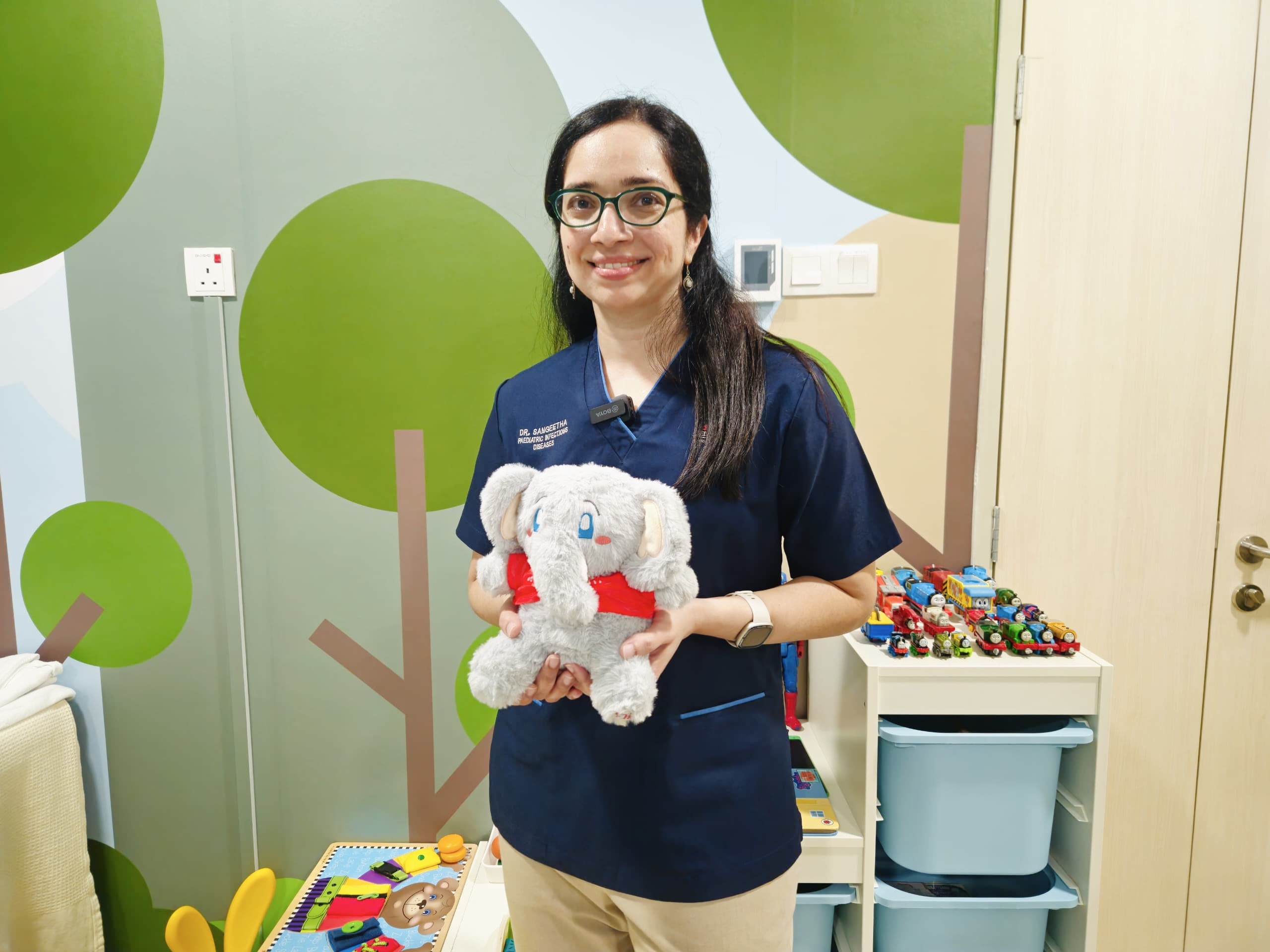
Dr Sangeetha, Consultant Paediatric, Infectious Diseases Specialist
Children experience the world with curiosity and wonder, every new place, sound, and taste is an adventure. But when travelling, their bodies are also more sensitive to environmental changes, new foods, and exposure to unfamiliar bacteria and viruses. Because their immune systems are still developing, it’s important to take preventive steps before the trip begins.
Travel, especially to new climates or crowded destinations, can increase a child’s risk of falling sick. The goal isn’t to restrict their fun, but to prepare their bodies so they stay healthy and enjoy every moment.
Before You Go: Prepare and Protect
1. Schedule a pre-travel check-up.
Book a visit with your paediatrician or paediatric infectious diseases specialist before your trip. This allows enough time to review your child’s health status, vaccination records, and destination-specific risks. For international travel, vaccines such as influenza, MMR (measles, mumps, rubella), typhoid, and hepatitis A or B may be recommended depending on the region.
2. Build a child-friendly travel health kit.
Include fever medication (in both tablet and syrup form), oral rehydration salts, mosquito repellent, adhesive plasters, a thermometer, hand sanitiser, and any regular medications your child takes. Label everything clearly and keep it in your carry-on luggage.
3. Prepare for mosquito-prone or high-risk areas.
If travelling to tropical or humid destinations, pack lightweight long-sleeved clothing, insect repellents, and mosquito nets. These simple measures can help prevent illnesses like dengue or malaria.
4. Teach small habits with big benefits.
Good hygiene is your child’s best travel companion. Encourage washing hands before eating, after using the toilet, and after playing outdoors or with animals. Carry pocket-sized sanitiser for when soap and water aren’t available.
5. Keep them well-hydrated.
Children can become dehydrated faster than adults, especially in hot climates or during long journeys. Offer frequent sips of water instead of sweetened drinks, and ensure they drink clean, bottled water during the trip.
During the Trip: Healthy Habits on the Move
1. Maintain familiar routines.
Travelling disrupts normal eating and sleeping schedules, but try to keep mealtimes and bedtime close to what your child is used to. Well-rested children adapt better to new environments and are less prone to tantrums or fatigue.
2. Eat smart, even on the go.
Choose freshly cooked, hot meals instead of cold or pre-packed foods. Avoid unpasteurised milk, undercooked meat, or raw seafood, which can carry harmful bacteria. Pack healthy snacks such as fruits, crackers, or cereal bars to avoid relying on convenience food.
3. Keep them moving.
Long journeys, whether by car, plane, or train, can make children restless. Plan breaks for short walks, simple stretches, or playtime at rest stops. This helps circulation and prevents stiffness.
4. Watch for warning signs.
Look out for symptoms like persistent fever, diarrhoea, vomiting, or rashes. These could signal an infection or dehydration, and it’s best to seek medical advice early rather than wait until symptoms worsen.
5. Protect against the elements.
If you’re travelling to colder climates, dress your child in layers to prevent hypothermia or sudden temperature changes. For sunny destinations, use sunscreen, hats, and UV-protective sunglasses.
After You Return: Recover and Reset
Once home, give your child time to rest and readjust to routine. If your trip was to an area with increased infection risk, schedule a post-travel check-up, especially if your child experiences lingering fatigue, fever, or stomach discomfort.
Encourage a balanced diet rich in fruits, vegetables, and fluids to help their immune system recover.
Pro Tip: Travelling with children doesn’t have to be stressful. Preparation, hydration, and hygiene go a long way toward keeping young travellers safe, and letting families make happy memories, worry-free.
For Adults: Travel Gut Health - A Guide to Eating Well on the Go
Dr. Tan Yu Peng, Consultant Gastroenterologist & Hepatologist

For many adults, travel is about exploring new cuisines. However, unfamiliar ingredients, different hygiene standards, and the stress of travel can disrupt your digestive system, leading to travelers' diarrhea, bloating, acid reflux, or constipation.
Follow the following phased plan to enjoy your culinary adventures without the upset.
Phase 1: Before You Go – Plan Ahead
-
Consult Your Doctor: If you have a chronic condition (GERD, IBS, gastritis), get specific advice on diet, medication timing, and precautions for your destination.
-
Consider Preventatives: Discuss if probiotics (specific strains for travel) or preventive medications are right for you.
-
Pack a Digestive Kit: Include antacids, rehydration salts, prescribed medications for diarrhea/motion sickness, and your regular acid-control medicine if needed.
-
Pre-Flight Prep: Eat light meals the day before a long flight. Avoid carbonated drinks before takeoff to prevent gas and bloating from cabin pressure.
-
Start Strong: Get plenty of rest and stay well-hydrated before departure. A rested body copes better with change.
Phase 2: During the Trip – Eat Smart, Feel Good
-
Choose Food Wisely: Opt for hot, freshly cooked foods. Avoid raw salads, cold buffets, and food left out in the open.
-
Drink Safely: Consume only bottled, filtered, or boiled water. Avoid ice unless you're sure of its source. Stick to factory-sealed drinks.
-
Maintain Routine: Don’t skip meals. Long gaps can cause gastritis or fatigue. Carry healthy snacks (nuts, crackers, fruit).
-
Moderation is Key: Enjoy local flavours cautiously. Sudden, rich, or spicy meals can trigger indigestion. Listen to your body and stop eating when comfortably full.
-
Limit Irritants: Moderate alcohol and caffeine intake, as they can dehydrate you and irritate your stomach lining, especially on flights.
Phase 3: After You Arrive – Recover & Rebalance
-
Rehydrate: Combat travel-induced fluid loss by drinking plenty of water to avoid constipation and fatigue.
-
Gradual Adjustment: Ease into local meal times to prevent stomach upset.
-
Boost Fibre: Incorporate fruits, vegetables, and whole grains to keep your digestion regular.
-
Rest Your Gut: If you feel off, eat bland foods (bananas, rice, toast, porridge) for a day.
-
Seek Help if Needed: If symptoms (diarrhea, bloating, reflux) persist after your return, consult a doctor to rule out infections or chronic issues.
The Golden Rule
Enjoy new flavours, but remember: a healthy gut means a happier trip. Eat smart, stay hydrated, and always listen to your body's signals.
For the Elderly: Travel Comfortably and Confidently
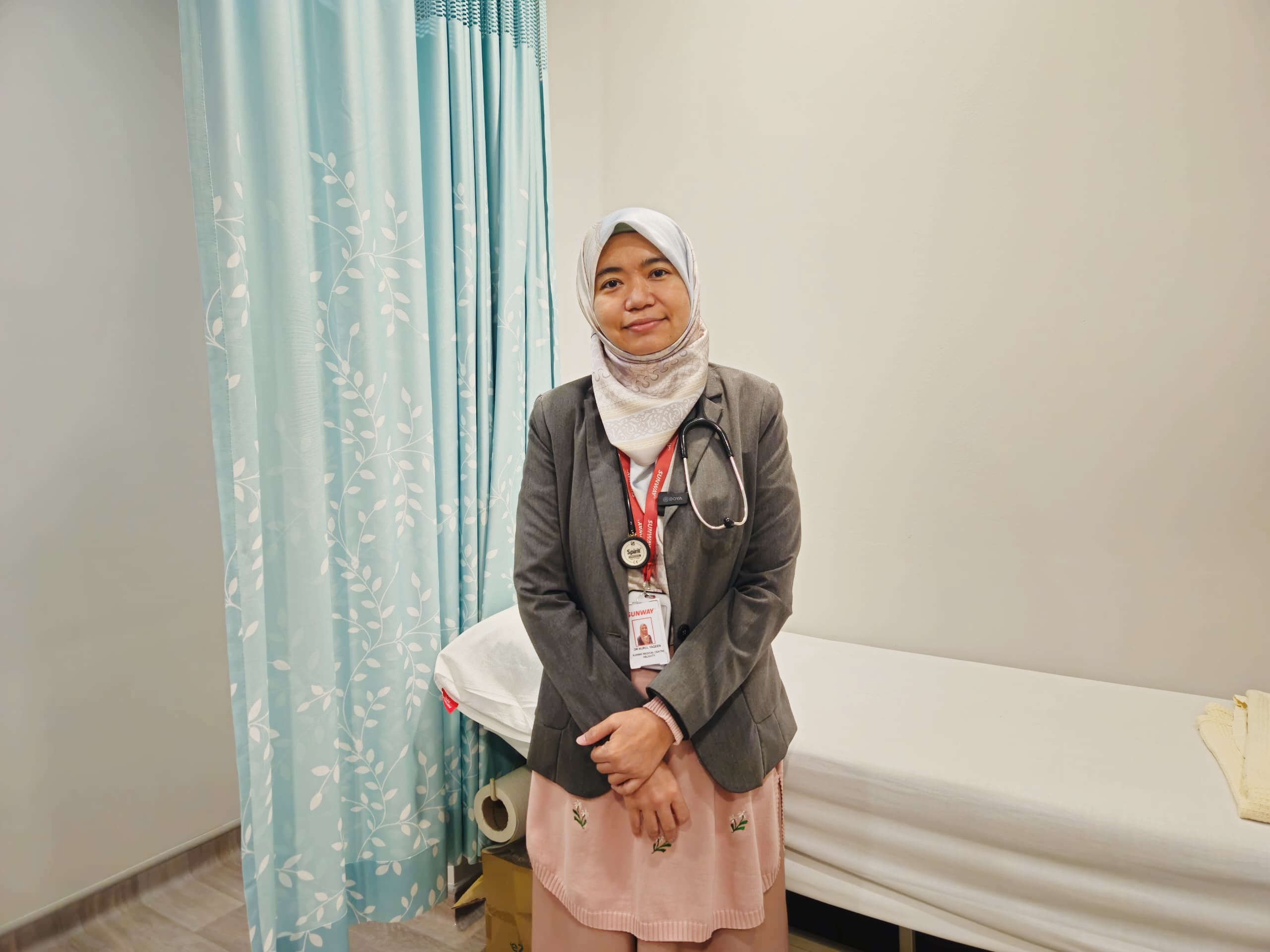
Dr. Nurul Yaqeen Mohd Esa (Respiratory Medicine, Internal Medicine
Older travellers can absolutely enjoy travel, with a little extra care. Ageing brings natural changes in energy, sleep, and balance, but thoughtful preparation ensures comfort throughout the journey.
Before You Go: Prepare Mindfully
-
Schedule a pre-travel health review with your internal medicine doctor to assess medication needs, fitness for travel, and vaccination updates (such as flu or pneumonia).
-
Pack wisely. Use pill organisers, label all medicines clearly, and carry them in your hand luggage.
-
Plan your itinerary with rest in mind. Allow lighter days in between longer activities to prevent exhaustion.
During the Trip: Rest, Hydrate, and Move Safely
-
Pace yourself. Avoid rushing or overexertion — fatigue increases the risk of dizziness or falls.
-
Take short breaks. Whether sightseeing or queuing, sit and rest when needed.
-
Stay hydrated and avoid skipping meals — low blood sugar or dehydration can cause weakness.
-
Use supportive footwear and aids. Comfortable shoes, walking sticks, or small backpacks make movement easier and safer.
-
Sleep well. Adjust to the local time zone gradually and maintain a consistent sleep routine to avoid confusion or fatigue.
If You Have Chronic Conditions
-
Always keep a copy of your medical summary and emergency contacts in your wallet.
-
If you have heart, lung, or kidney issues, avoid sudden temperature changes and consult your doctor before travelling to high altitudes or remote areas.
Pro Tip: Good rest is as important as good sightseeing. Build pauses into your travel plan, a well-rested body travels farther and enjoys more.
Final Thoughts: Travel Healthy, Travel Happy
Whether it’s your child’s first flight, a long-awaited honeymoon, or a golden-year getaway, good health is your best travel companion.
Being prepared doesn’t mean being fearful, it means travelling smarter, with fewer worries and more energy to enjoy the moments that matter most.
Before you set off, consult your doctor or the Health Screening Centre at Sunway Medical Centre Velocity for a personalised travel health review and vaccination advice. A simple pre-travel check-up can help you anticipate potential health risks, manage existing conditions, and stay confident wherever your journey takes you.
Quick Takeaway Checklist
-
Schedule a pre-travel consultation.
-
Review your vaccinations.
-
Pack essential medications and a basic health kit.
-
Stay hydrated and eat safely.
-
Stretch during long travel hours.
-
Prioritise sleep and mental wellness.
-
Get checked early if you feel unwell after returning.
Sunway Medical Centre Velocity, caring for you at every stage of life, wherever your journey begins.
Was this article helpful?
2 out of 2 found this helpful
Suggest to Read