


What Every Man in His 30s Should Know About Colon Cancer
.jpg)
"I never thought it could happen to me, I was only 42, healthy, working out, eating okay. But I started noticing blood in my stool, and after a few months of brushing it off, I finally saw a doctor. That’s when I found out… it was colon cancer."
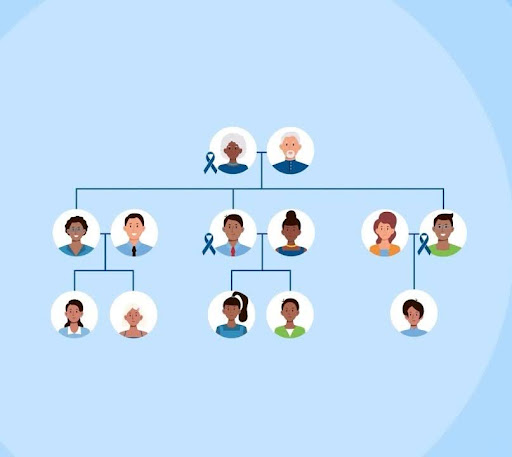
Stories like this are becoming more common, not from older men, but from those in their 30s and 40s. Colorectal cancer is no longer just a disease of the elderly. In fact, more men under 50 are being diagnosed each year, many without any obvious symptoms or family history.
If you’re a man reading this and thinking, “I’m still young, this isn’t about me,” think again. This is exactly the age group where cases are rising the fastest. The good news? Colorectal cancer is one of the preventable cancers when caught early.But you have to know the risks, recognise the signs, and take that first step, before it’s too late.
Let’s dive into this topic with Dr. Deborah, Consultant Gastroenterologist and Hepatologist, and learn how awareness, lifestyle changes, and timely screening can save lives.

A Silent Cancer That Starts Without Symptoms
In Malaysia, colorectal cancer ranks as the most common cancer among men, making up 16.9% of all male cancer cases, and is the second most common cancer overall, according to the Malaysia National Cancer Registry (2012–2016). This data is more than just a statistic, it’s a wake-up call. Too often, men delay getting checked until symptoms appear, but by then, the disease may already be in an advanced stage.
Colorectal cancer develops in the colon or rectum, the lower parts of your digestive system. It usually begins as small, non-cancerous growths called polyps. These polyps can take years to become cancerous, but when they do, they often do so silently. In the early stages, there are rarely any warning signs. You may feel perfectly fine while the disease progresses quietly within your body.
That’s what makes colorectal cancer so dangerous. Without screening, many men only discover the disease once it has reached a more advanced, harder-to-treat stage. Early detection through screening can not only find cancer early, but it can also prevent it altogether by removing polyps before they become a threat.
Why Are Younger Men More at Risk Today?
The rising rates of colon cancer in younger men are closely tied to modern lifestyle habits. Diets that are low in fibre and high in red or processed meat can change the environment of your gut, leading to inflammation and an increased risk of polyp formation. At the same time, a sedentary lifestyle, too much sitting, too little movement, contributes to poor digestive health and weight gain, both of which are risk factors.
Stress, irregular sleep, alcohol, and smoking also play a role. These lifestyle habits, common in many young working adults, create a perfect storm that puts the colon under chronic strain. Over time, that strain can evolve into disease. Unfortunately, because many young men feel generally fit, they don’t recognise these invisible risks until it’s too late.
Warning Signs You Should Never Ignore
.jpg)
Although early colorectal cancer often has no symptoms, there are certain red flags that should prompt a visit to your doctor, especially if they persist. Changes in bowel habits, such as ongoing diarrhoea, constipation, or stools that are narrower than usual, can indicate something’s not right. The presence of blood in the stool, whether fresh red or dark black, is another serious sign that shouldn’t be dismissed.
Other symptoms include frequent abdominal discomfort, bloating, or a feeling that your bowels are not completely empty even after going. Some men also experience unexplained fatigue or weight loss. These symptoms don’t automatically mean cancer, but they do mean your digestive system needs attention — and the earlier you act, the better your chances for a full recovery.
Screening Isn’t Just for the Elderly
Many people assume colonoscopy is only for seniors. But actually it is recommended the screening start at age 45, and even earlier for those with family history or certain medical conditions. At Sunway Medical Centre Velocity, we encourage all men in this age group to get screened, especially those experiencing symptoms or leading high-risk lifestyles.
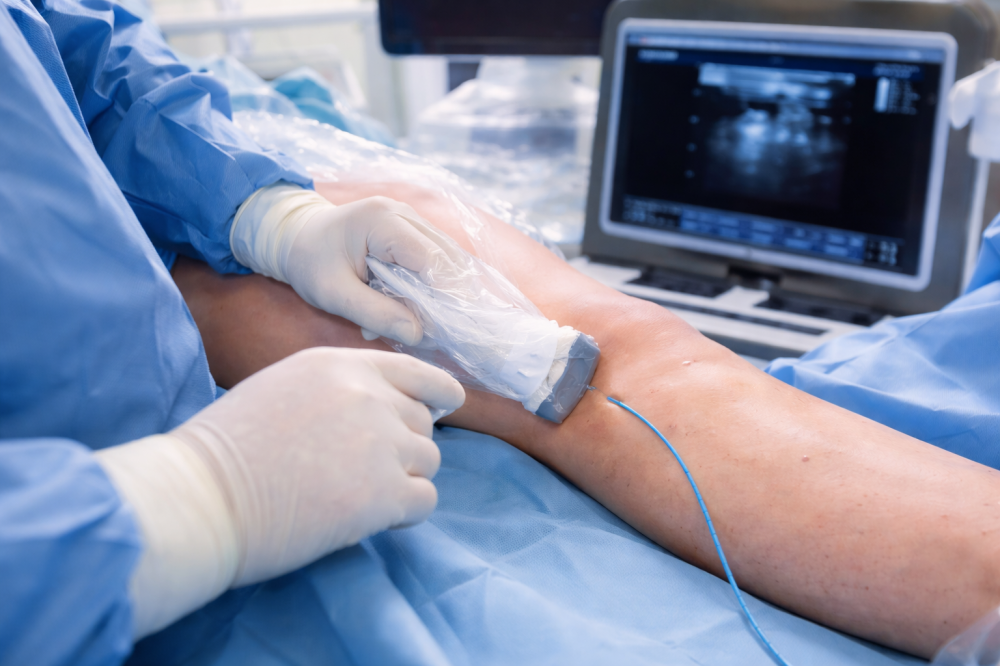
There are several types of screening available. Colonoscopy remains the gold standard, not just because it detects cancer, but because it allows doctors to remove polyps on the spot. Stool-based tests, such as the FIT or FOBT, are also useful tools for detecting hidden blood in the stool, which can be an early sign of cancer. Some patients may benefit from CT colonography, a non-invasive scan that offers a visual check of the colon.
If you’re unsure which test is right for you, speak to a medical professional. What’s important is not delaying, because every year counts.
Lifestyle Habits That Lower Risk
While not all cases of colorectal cancer can be prevented, many can be delayed or avoided entirely through healthy lifestyle changes. Prevention doesn’t need to be extreme — it’s about consistent, balanced choices.
Here’s what works:
- Eat more fibre-rich foods: Whole grains, vegetables, and fruits support healthy digestion and bowel movements.
- Cut down on red and processed meat: Sausages, bacon, and deli meats have been linked to increased risk.
- Stay physically active: Just 30 minutes of moderate activity a day (like brisk walking or cycling) makes a difference.
- Quit smoking: Tobacco increases risk for several cancers — including colorectal.
- Limit alcohol: Drink in moderation, or not at all.
- Maintain a healthy weight: Especially around your waistline, where excess fat poses more danger.
These steps not only reduce your risk of colorectal cancer but also support your heart, mental health, and hormonal balance as you age.
Don’t Delay: Talk to a Specialist
It’s easy to dismiss digestive symptoms or think, “I’ll get checked later.” But time matters. If you’re experiencing any symptoms, or you’re just ready to take a proactive step for your health, talk to a specialist.
At Sunway Medical Centre Velocity, our multidisciplinary team offers comprehensive screening, diagnostic imaging, and personalised treatment for digestive health. Whether you see a Gastrologist, Endocrinologist, or General Surgeon, rest assured you’ll be supported every step of the way.
Final Takeaway
Colorectal cancer doesn’t make a loud entrance, it often grows quietly until it becomes serious. But that doesn’t mean you have to wait in silence. By staying informed, making conscious lifestyle choices, and prioritising early screening, you give yourself the best possible defence.
If you’re a man in your 30s or 40s, don’t assume you’re too young to be at risk. And if you’re a friend, partner, or family member, don’t wait for symptoms to appear, encourage the people you care about to get checked.
Take that first step today, schedule a consultation with our Consultant Gastroenterologist, Dr. Deborah, to discuss any concerns you may have, whether it’s symptoms you’ve noticed or questions about your digestive health. You can also explore your options through our Health Screening Packages, designed to help detect issues early and give you peace of mind.
To learn more about how we support your digestive well-being, visit our Digestive Health Centre page.
Your health deserves attention. And when it comes to cancer, early detection can make all the difference.
Was this article helpful?
2 out of 2 found this helpful
Suggest to Read