


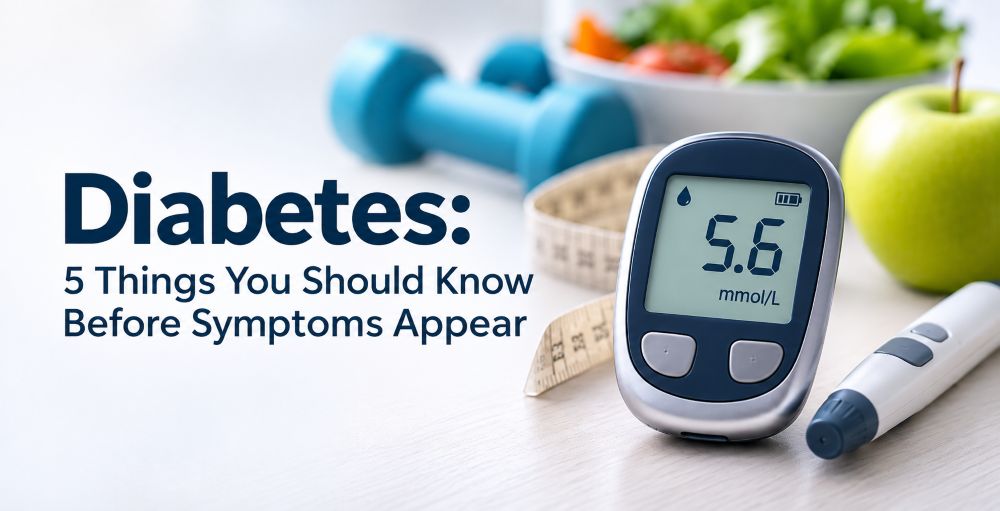
Diabetes: 5 Things You Should Know Before Symptoms Appear
Diabetes is often associated with obvious symptoms such as excessive thirst or frequent urination. But in reality, type 2 diabetes can develop slowly, and some people may have it for years without realising it.
That is why knowing your risk and understanding when to get your blood sugar checked can matter even before symptoms appear.
This World Diabetes Day, let’s understand some of the most common misconceptions about diabetes, warning signs to look out for and why early screening matters, together with Dr Lim Kim Piow, Consultant Endocrinologist and Physician at Sunway Medical Centre Velocity. Dr Lim’s clinical focus includes diabetes mellitus, obesity and metabolic syndrome.

1. “If I Feel Fine, I Probably Don’t Have Diabetes.”
Not necessarily.
One of the reasons type 2 diabetes can go unnoticed is that symptoms may develop gradually or may not be obvious in the early stages. Some people only find out they have high blood sugar during a routine health screening or blood test.
When symptoms do occur, they may include:
-
Feeling unusually thirsty
-
Urinating more often
-
Feeling more tired than usual
-
Blurred vision
-
Unexplained weight loss
-
Slow-healing wounds
-
Frequent infections
-
Tingling or numbness in the hands or feet
The important point is this: waiting for symptoms is not always the best way to know whether you have diabetes.
2. “Diabetes Only Happens If You Eat Too Much Sugar.”
This is a common misconception.
Eating a lot of sugary foods does not directly explain every case of diabetes.
Type 2 diabetes develops when the body becomes less responsive to insulin and the pancreas is unable to make enough insulin to keep blood sugar within a healthy range. Several factors can contribute, including excess weight, physical inactivity, age and family history.
This is why someone who does not eat many sweets can still develop diabetes, while someone who eats sugary foods occasionally does not automatically have diabetes.
Rather than focusing on one food alone, it is more useful to look at your overall diet, activity level, body weight and personal risk factors.
3. “No One in My Family Has Diabetes, So My Risk Is Low.”
Family history matters, but it is not the only risk factor.
Having a parent or sibling with type 2 diabetes increases your risk, but people without a family history can also develop the condition.
Other factors may include being overweight, having a larger waist circumference, being physically inactive, having high blood pressure or abnormal cholesterol levels, or having a history of certain metabolic conditions.
So instead of asking only:
“Does diabetes run in my family?”
A better question is:
“What are all of my diabetes risk factors?”
4. “I Only Need a Blood Sugar Test If I Have Symptoms.”
Not always.
Because type 2 diabetes can be present without obvious symptoms, screening can help detect abnormal blood sugar earlier.
Depending on your risk profile, your doctor may recommend tests such as:
Fasting blood glucose
This measures your blood sugar after a period without food.
HbA1c
This reflects your average blood sugar level over roughly the past two to three months.
Oral glucose tolerance test
This measures how your body responds to glucose over a period of time.
The most suitable test depends on your medical history, risk factors and whether you have symptoms.
5. “If My Blood Sugar Is Only Slightly High, It’s Nothing to Worry About.”
Slightly elevated blood sugar may sometimes indicate prediabetes.
Prediabetes means blood sugar levels are higher than normal but not yet high enough to be classified as diabetes. It is important because it can progress to type 2 diabetes if nothing changes.
The positive side is that this stage may offer an opportunity to act early.
Lifestyle changes such as improving diet, increasing physical activity and managing weight can help reduce the risk of progression to type 2 diabetes.
So a borderline result should not simply be ignored.
Why Is Early Detection Important?
Over time, persistently high blood sugar can affect different parts of the body, including the eyes, kidneys, nerves and heart.
The earlier diabetes or prediabetes is identified, the earlier steps can be taken to manage blood sugar and reduce the risk of complications.
Early detection also gives you more time to understand what is contributing to your blood sugar levels and what changes may help.
Who Should Consider Diabetes Screening?
There is no single screening schedule that is right for everyone.
Your doctor may recommend testing based on your age, body weight, family history and other health conditions.
Current guidance referenced by Mayo Clinic notes that screening may be recommended earlier for people with additional risk factors, including excess weight, high blood pressure, abnormal cholesterol levels, low physical activity, polycystic ovary syndrome, cardiovascular disease or a close family history of diabetes.
The key message is simple:
You do not need to wait until you feel unwell before asking about your blood sugar.
What Can You Do to Lower Your Risk?
For people at risk of type 2 diabetes, small but consistent lifestyle changes can make a meaningful difference.
This may include eating more vegetables, whole grains and high-fibre foods, staying physically active, reducing long periods of sitting and working towards a healthy body weight where appropriate.
The goal is not to follow a perfect diet.
It is to build habits that help your body manage blood sugar more effectively over time.
Know Your Risk Before Symptoms Appear
Diabetes does not always announce itself clearly.
You may feel well and still have elevated blood sugar. You may not have a family history and still be at risk. And waiting for obvious symptoms can mean missing an earlier opportunity to act.
This World Diabetes Day, know your risk, understand your blood sugar and do not wait for symptoms before taking your health seriously.
Dr Lim Kim Piow, Consultant Endocrinologist and Physician at Sunway Medical Centre Velocity, can assess diabetes risk, blood sugar results and related metabolic conditions to determine whether further testing or treatment may be appropriate.
Learn More About Endocrinology & Diabetes
Book an Appointment with Dr Lim Kim Piow
Frequently Asked Questions
Yes. Type 2 diabetes can develop slowly, and some people may have no obvious symptoms for a long time.
Sugar alone is not the sole cause of type 2 diabetes. The condition develops through a combination of insulin resistance and other risk factors such as excess weight, inactivity and family history.
Yes. Having a parent or sibling with type 2 diabetes increases your risk, but people without a family history can still develop the condition. (Mayo Clinic)
Common tests include fasting blood glucose, HbA1c and oral glucose tolerance testing. The appropriate test depends on your individual situation. (Mayo Clinic)
Prediabetes does not always progress to diabetes. Lifestyle changes, including healthy eating, physical activity and weight management, can reduce the risk of progression.
这篇文章对您有帮助吗?
有1 位用户在 1 位中觉得这很有帮助。
Suggest to Read