



Think it’s just dry eyes? The real cause might surprise you — it could be a tear drainage problem.
Understand the root cause and learn when to seek proper treatment.

Many patients visit an eye specialist with one surprising complaint: excessive tearing. While tears are a normal and essential part of healthy eye function, persistently watery eyes can be frustrating, especially when it happens without any clear emotional trigger.
Let’s learn from Dr Nazila Ahmad Azli, Consultant Ophthalmologist and Oculoplastic Surgeon at Sunway Medical Centre Velocity. According to Dr Nazila, there are several reasons why your eyes may be tearing up, and understanding the root cause is the first step towards effective treatment and relief.

What Are Tears For?
Tears play an essential role in eye health. They keep the surface of the eyes moist, flush away small irritants, and contain enzymes that protect against infection. However, when tear production becomes excessive or tear drainage is disrupted, it can lead to persistent tearing — also known as epiphora.
Common Causes of Tearing
Tearing typically happens due to one of two major reasons:
- Oversecretion of Tears
This occurs when the eyes produce more tears than necessary. It can be triggered by irritation, allergies, dry eyes (yes, dry eyes can cause reflex tearing), infections, or inflammation such as blepharitis or conjunctivitis. - Drainage Problems
When tears can’t drain properly through the nasolacrimal duct (the tear duct), they overflow and spill down the cheeks. This is often due to a blockage in the tear drainage system or eyelid problems like ectropion (outward turning eyelid) or entropion (inward turning eyelid). In babies, tear duct blockage is quite common and usually resolves with time or simple treatment.
Symptoms to Watch For
If you experience watery eyes, you may also notice
- Constant glassy or teary eyes
- Tears running down your face
- Redness or irritation
- Foreign body sensation
- Sticky discharge
- Swelling near the inner corners of the eyes
- Itching or sensitivity to light
These signs can vary depending on the underlying cause and should not be ignored, especially if persistent.
Possible Diagnoses
Tearing can be a symptom of many underlying conditions, including but not limited to:
| Condition | Description | |
|---|---|---|
| Blepharitis | Inflammation of the eyelids, often due to bacterial infection or skin condition. | 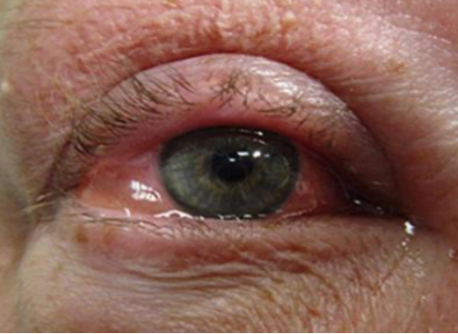 |
| Blocked Tear Duct | Tear drainage system is obstructed; common in infants and older adults. | 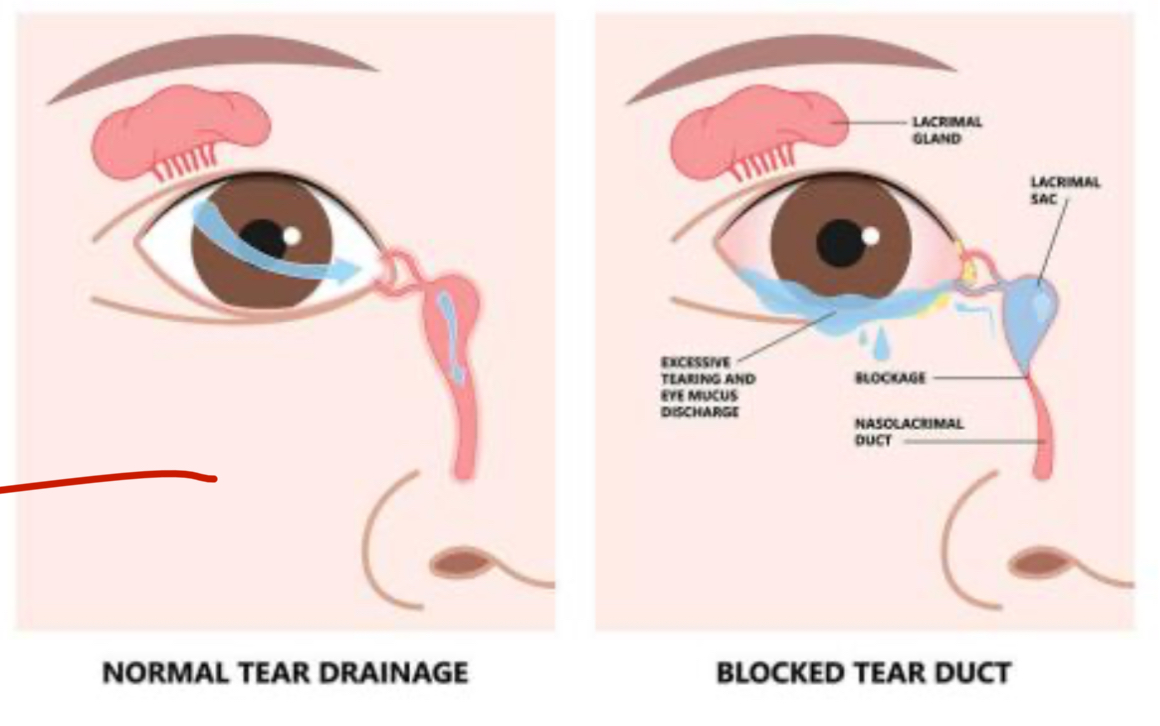 |
| Dry Eyes (Insufficient Tear Quality) | Tears evaporate too quickly due to ineffective oil layer due to obstruction of the oil glands. |
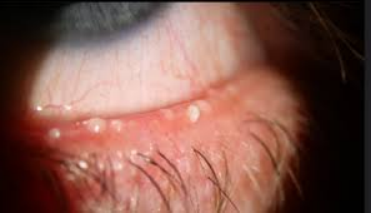 |
| Conjunctivitis (Pink Eye) | Inflammation or infection of the conjunctiva, often contagious. | 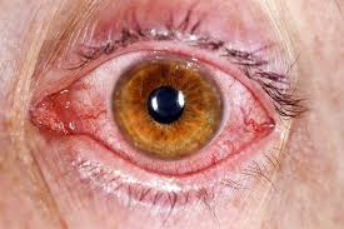 |
| Keratitis | Inflammation of the cornea may be caused by infection or injury. | 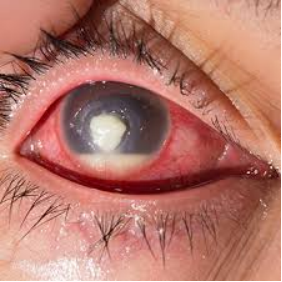 |
| Foreign Body in the Eye | Presence of dust, debris, or other particles causing irritation and tearing. | 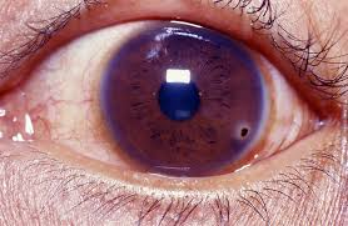 |
| Trichiasis | Eyelashes grow inward, irritating the eye surface. | 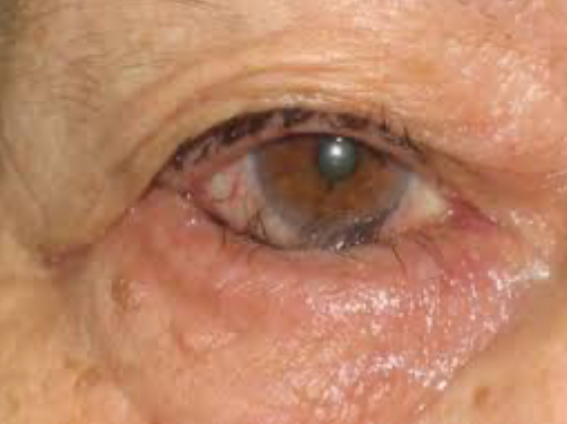 |
| Eyelid Malpositions | Includes entropion (inward turning) and ectropion (outward turning) of the eyelid. | 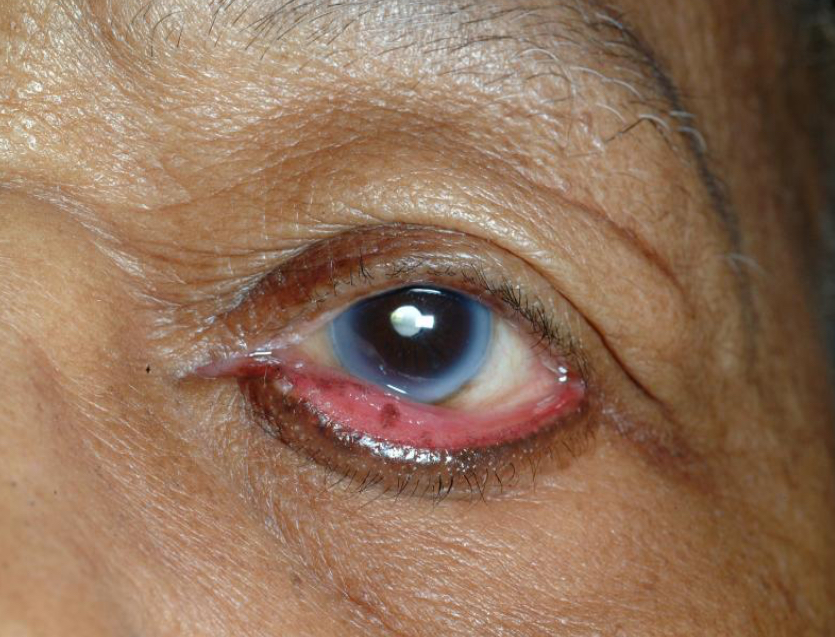 |
| Corneal Abrasions or Ulcers | Surface scratches or open sores on the cornea, often painful and prone to infection. | 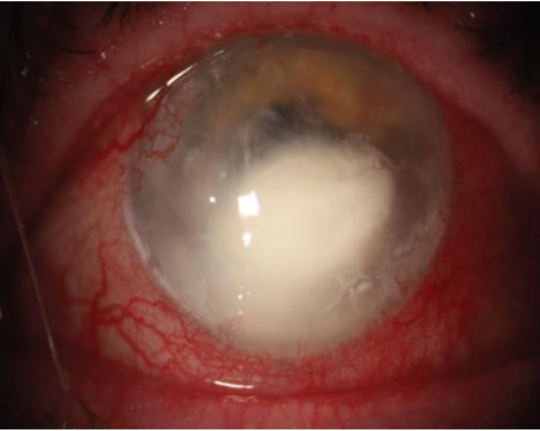 |
In some cases, tearing may be linked to broader health issues such as facial nerve palsy, thyroid eye disease, sinus infections, autoimmune diseases (e.g., Sjögren’s syndrome or rheumatoid arthritis), or past surgery/radiation affecting the eye or nose.
When to Seek Treatment
Treatment depends on the cause. Mild cases may resolve with warm compresses, eye drops, or lid hygiene. For tear duct blockages or eyelid-related issues, surgical solutions, such as dacryocystorhinostomy (DCR) or eyelid repositioning, are often highly effective and minimally invasive today.
Infections or inflammation may require specific medication, and chronic conditions need tailored long-term management.
Don’t Let Tearing Disrupt Your Life
If constant tearing is affecting your vision, comfort, or daily activities, don’t wait for it to get worse. With proper diagnosis, most causes of tearing can be successfully managed, often with quick relief and long-term results.
Consult with Dr Nazila Ahmad Azli, our Consultant Ophthalmologist and Oculoplastic Surgeon, to identify the cause and get expert treatment for your tearing condition.
这篇文章对您有帮助吗?
有2 位用户在 2 位中觉得这很有帮助。
Suggest to Read