


什么是胃灼热(烧心)?原因、症状与治疗方法
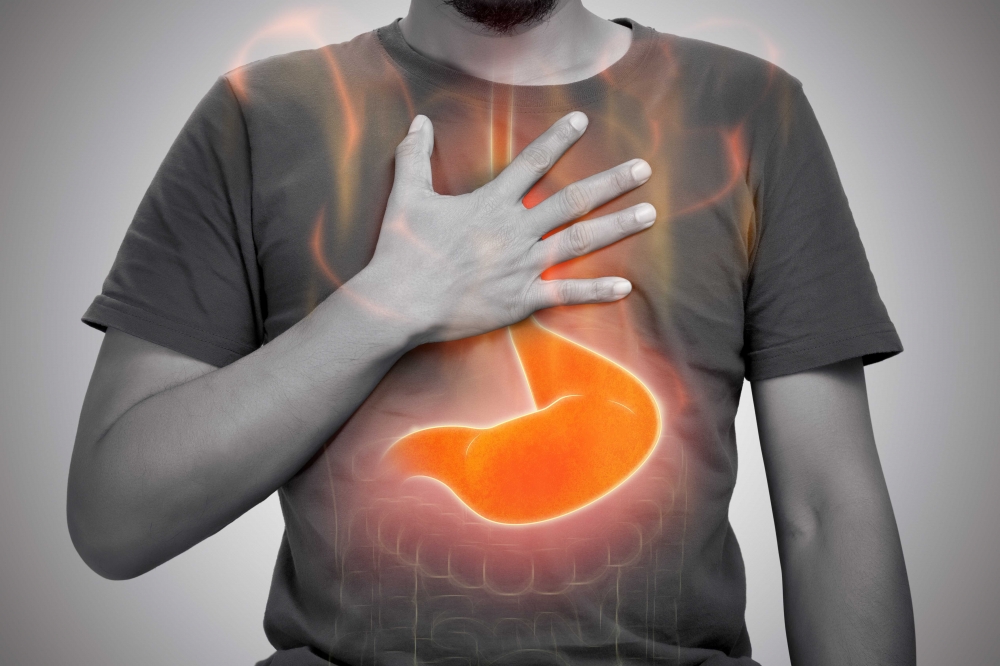
It is normal to experience occasional indigestion or a burning sensation after a heavy meal. However, if you regularly feel a burning discomfort in your chest after eating, notice persistent bloating, or have ongoing pain in your upper stomach, these symptoms could point to a deeper issue beyond simple gas. To better understand these digestive concerns, we speak with Dr Tan Yu Peng, Consultant Gastroenterologist & Hepatologist at Sunway Medical Centre Velocity.

Many people believe that heartburn is just something they must live with. In reality, recurring reflux or indigestion can often be controlled with appropriate dietary changes and timely medical advice. Learning how the foods you eat affect your digestion is a simple yet effective way to reduce symptoms and support long-term digestive wellness.
Indigestion vs Heartburn: What’s the Difference?
Though the terms are often used in place of each other, indigestion and heartburn refer to distinct sensations.
Indigestion, also known as dyspepsia, typically involves discomfort in the upper abdominal area. Common signs include:
- Feeling overly full after a small meal
- Bloating
- Mild pain in the stomach region
- Nausea
These episodes may be set off by fatty or spicy dishes, caffeine, alcohol, eating too much, emotional stress, smoking, or certain types of medication.
Heartburn, on the other hand, is characterised by a burning sensation behind the breastbone. This occurs when stomach acid travels back up into the oesophagus, causing irritation to its lining. If this happens often, it could be a sign of gastro-oesophageal reflux disease (GERD). Without proper management, ongoing reflux may lead to inflammation of the oesophagus and other health concerns over time.
Why Does Heartburn Happen?
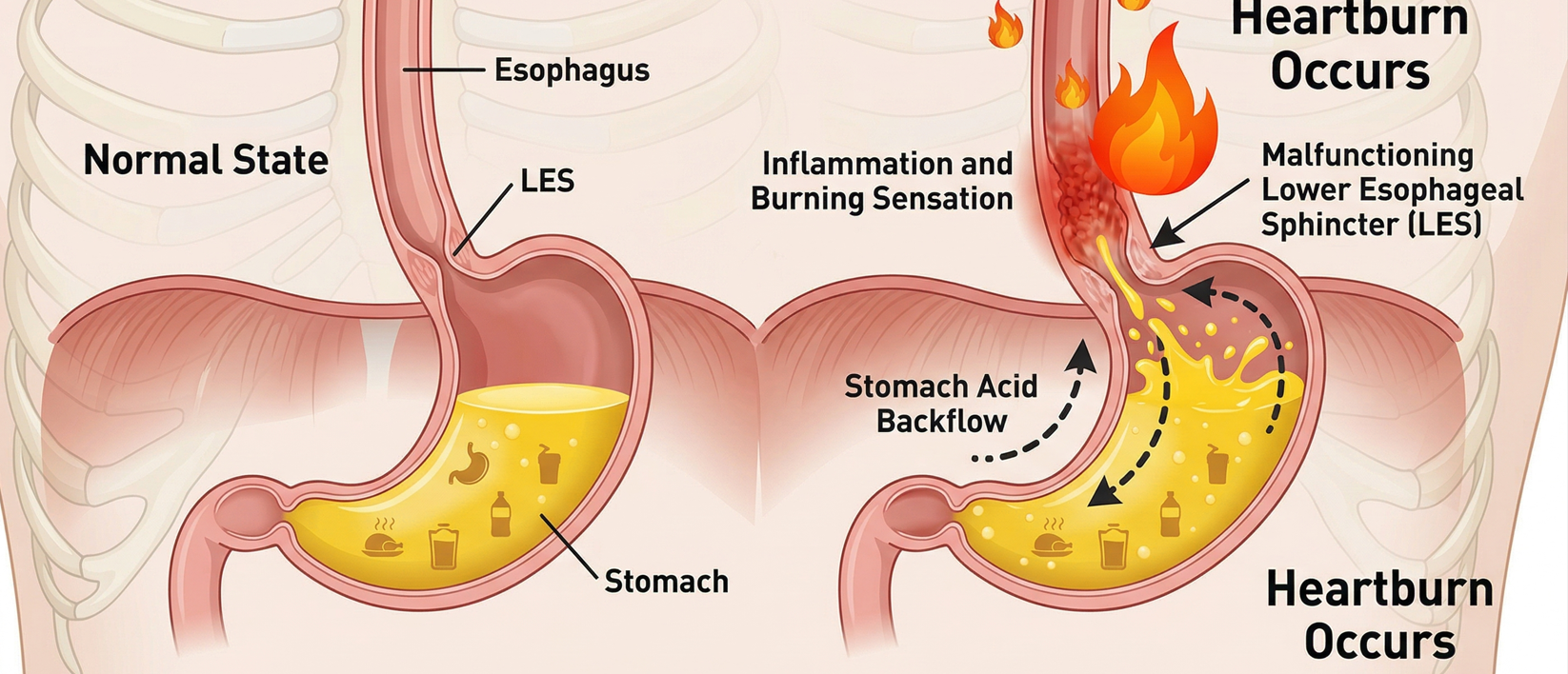
At the lower end of the oesophagus, a muscular ring acts as a valve. In a healthy digestive system, this valve closes tightly once food has moved into the stomach.
Reflux becomes more common under certain conditions, such as:
- Eating large meals or those high in fat
- Slower-than-normal stomach emptying
- Increased abdominal pressure, which can result from obesity or pregnancy
- The presence of a hiatal hernia
- Lying down too soon after eating
As we age, this protective muscle may also weaken, making reflux more frequent.
Foods That Commonly Trigger Heartburn
Some foods can either boost acid production or cause the valve at the bottom of the oesophagus to relax—both of which can lead to heartburn.
Common triggers include:
- Fried or fatty foods
- Onions
- Citrus fruits
- Tomato-based dishes
- Chocolate
- Peppermint
- Caffeinated drinks
- Alcohol
- Carbonated beverages
Reactions to these foods can vary from person to person. Maintaining a simple food diary can help you pinpoint which items tend to trigger your symptoms.
Practical Eating Strategies to Reduce Reflux
Making small adjustments to how and when you eat can lead to noticeable improvements.
Choose lower-fat options
Fatty foods take longer to leave the stomach, raising the likelihood of reflux. Choose dishes that are grilled, baked, or steamed rather than fried.
Practise portion control
Large meals expand the stomach and create pressure, making acid reflux more likely. Try having smaller, well-balanced meals throughout the day.
Avoid late-night eating
Aim to finish your last meal at least three hours before going to bed. Lying down with a full stomach can trigger reflux.
Stay upright after meals
Light activities like walking may support digestion. Avoid reclining or lying down immediately after eating.
Limit alcohol and caffeine
Both can relax the oesophageal valve and irritate the stomach lining.
Elevate the head of the bed
For those who experience reflux at night, elevating the head of the bed slightly may help keep acid from travelling upwards.
The Role of Stress in Digestive Symptoms
“There is a strong connection between the gut and the brain,” explains Dr Tan Yu Peng. “Stress can heighten gut sensitivity, making even normal digestion feel uncomfortable.”
Anxiety and stress are known to worsen symptoms of reflux, indigestion, and functional dyspepsia. Adding stress-reducing practices such as mindfulness, deep breathing, or regular exercise to your daily routine may help lessen the frequency of these episodes.
When Should You Seek Medical Advice?
While occasional heartburn is nothing to worry about, persistent symptoms should not be ignored.
You should consider seeking medical advice if you experience:
- Heartburn more than twice a week
- Difficulty swallowing
- Unexplained weight loss
- Persistent vomiting
- Black or bloody stools
- Symptoms that do not improve with lifestyle changes
In some cases, further investigation such as an upper endoscopy may be recommended to examine the condition of the oesophagus and stomach lining.
For more information, you can explore the digestive health services available at our centre.
A Balanced Approach to Digestive Health
Managing heartburn isn’t about removing all enjoyment from food. It’s about balance, timing, and being mindful of your body’s signals. Eating thoughtfully, managing stress, and seeking medical help when needed can all contribute to better digestive health. If ongoing digestive discomfort is affecting your daily life, the Gastroenterology team at Sunway Medical Centre Velocity is available to provide personalised assessment and care.
Your digestive system works hard every day—supporting it with the right habits can make each meal a more comfortable experience.
这篇文章对您有帮助吗?
有1 位用户在 1 位中觉得这很有帮助。
Suggest to Read