


Emergency Situations: What To Do for Heart Attack, Stroke and Other Common Medical Emergencies
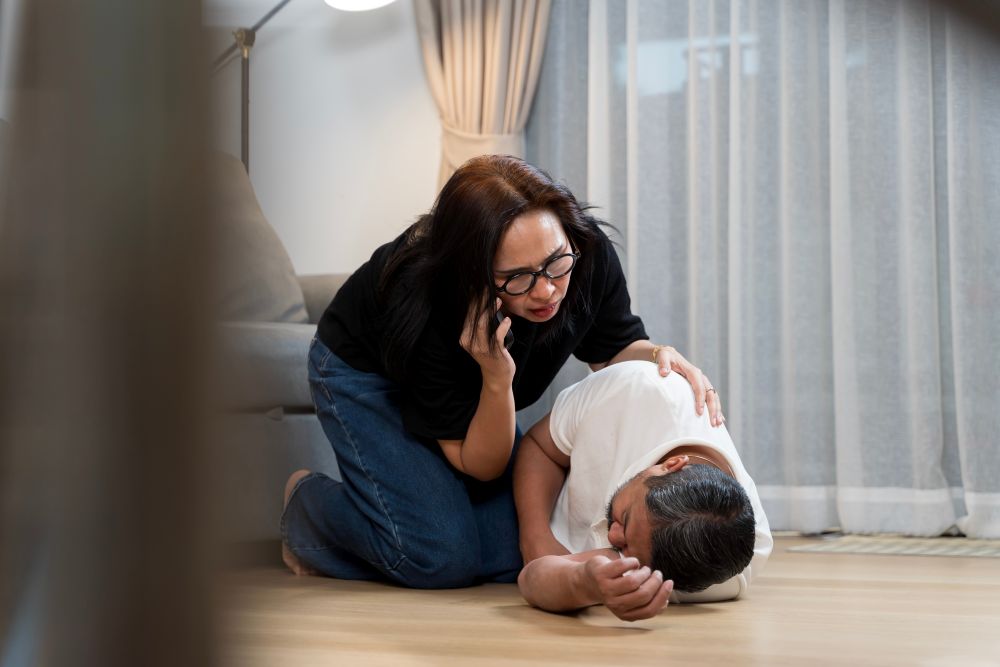
Emergencies can happen suddenly and without warning, whether at home, in school, or in public places. In those critical moments, knowing how to recognise the signs and respond appropriately can make a life-saving difference. For parents, caregivers, teachers and the general public, having basic knowledge of common medical emergencies helps reduce panic and ensures faster, safer action.
Let’s understand how to recognise and respond to medical emergencies together with the Consultant Emergency Physician team at Sunway Medical Centre Velocity, Dr Lim Fang Jean and Dr Cyrus Lai.
This guide explains how to identify and respond to some of the most common emergencies, including heart attack, stroke, seizures, choking and severe allergic reactions. Early recognition and immediate response are key to improving outcomes and preventing complications.
Heart Attack: Recognising the Warning Signs Early
A heart attack occurs when blood flow to the heart muscle is blocked, usually due to a buildup of fat, cholesterol or other substances in the coronary arteries. Without prompt treatment, the heart muscle can become damaged.
Common symptoms
The most recognised symptom is chest discomfort. This may feel like pressure, tightness, fullness or pain in the centre of the chest. The discomfort may last for several minutes or come and go.
Other symptoms include:
-
Pain or discomfort spreading to the arms, neck, jaw, shoulder or back
-
Shortness of breath
-
Cold sweats
-
Nausea or vomiting
-
Lightheadedness or dizziness
In some individuals, especially women, older adults and people with diabetes, symptoms may be less typical. They may experience fatigue, indigestion-like discomfort, or shortness of breath without chest pain.
What to do
If a heart attack is suspected, call emergency services immediately. Do not delay or attempt to drive the person to the hospital yourself unless absolutely necessary.
Help the person sit down and remain calm. Loosen any tight clothing and ensure they are comfortable. If the person has been prescribed heart medication, assist them in taking it as directed. Stay with the person and monitor their condition until medical help arrives.
Stroke: Acting Quickly to Protect the Brain
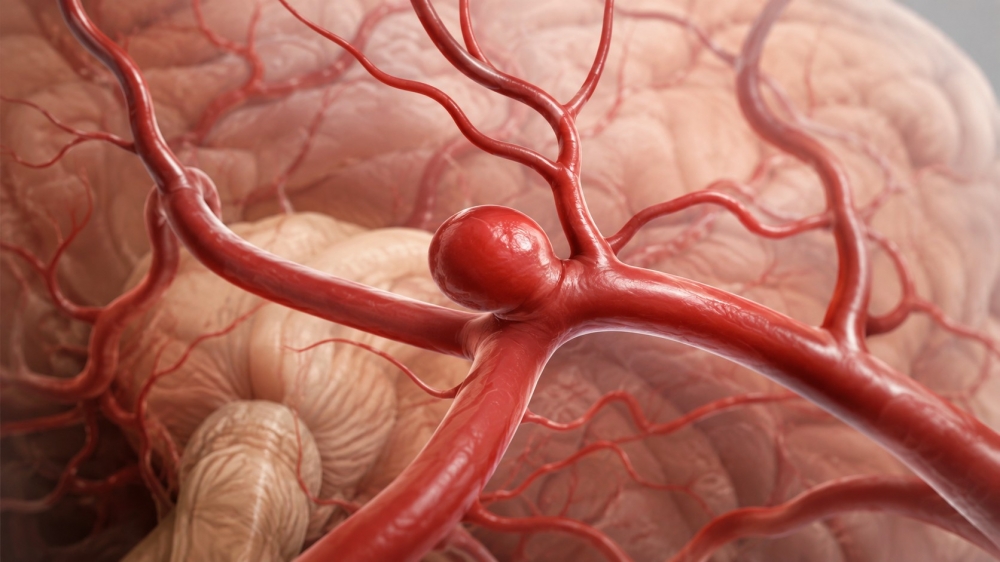
A stroke occurs when blood supply to part of the brain is interrupted or reduced, preventing brain tissue from receiving oxygen and nutrients. Brain cells begin to die within minutes, making early treatment critical.
Recognising stroke using FAST
A simple way to identify stroke symptoms is the FAST method:
-
Face: One side of the face may droop or feel numb
-
Arms: The person may be unable to raise both arms evenly
-
Speech: Speech may be slurred or difficult to understand
-
Time: Immediate medical attention is required
Other symptoms may include sudden confusion, trouble seeing in one or both eyes, difficulty walking, dizziness, or a severe headache with no known cause.
What to do
Call emergency services immediately if a stroke is suspected. Note the time when symptoms first appeared, as this information is important for treatment decisions.
Keep the person lying down with their head slightly elevated. Do not give food, drink or medication unless advised by medical professionals. Stay with the person, monitor their breathing and level of consciousness, and provide reassurance until help arrives.
Seizures: Ensuring Safety During the Episode
Seizures are caused by sudden abnormal electrical activity in the brain. They can vary in appearance, from brief staring episodes to full-body convulsions.
Signs of a seizure
-
Sudden loss of awareness or responsiveness
-
Uncontrolled jerking movements of the arms and legs
-
Stiffening of the body
-
Staring spells
-
Confusion or drowsiness after the episode
What to do
If someone is having a seizure, gently guide them to the ground if needed and place them on their side. This helps keep the airway clear and reduces the risk of choking.
Remove any nearby objects that could cause injury. Place something soft under their head if possible. Time the duration of the seizure.
Do not restrain the person or attempt to stop their movements. Do not place anything in their mouth.
Emergency medical help is needed if the seizure lasts more than five minutes, if it is the person’s first seizure, if repeated seizures occur, or if the person has difficulty breathing or does not regain consciousness.
Choking: Acting Quickly to Restore Breathing
Choking occurs when an object blocks the airway, preventing normal breathing. It is a common emergency, especially in young children and older adults.
Signs of choking
-
Inability to speak or cry
-
Weak or ineffective coughing
-
Clutching the throat
-
Difficulty breathing or noisy breathing
-
Bluish colour of lips or face in severe cases
What to do
If the person can cough, encourage them to continue coughing as this may help clear the obstruction.
If the airway is completely blocked, perform back-blows and abdominal thrusts. Stand behind the person and lean them forward, then perform 5 back blows between the shoulder blades using the heel of your hand. Next, place your arms around their waist, and apply quick, inward and upward thrusts to help expel the object. Continue alternating 5 back blows and 5 abdominal thrusts until the object is expelled or they can breathe again.
If the person becomes unconscious, begin basic life support and call emergency services immediately.
Severe Allergic Reaction (Anaphylaxis): A Medical Emergency
Anaphylaxis is a severe and potentially life-threatening allergic reaction that can develop rapidly after exposure to allergens such as food, medication or insect stings.
Symptoms
-
Difficulty breathing or wheezing
-
Swelling of the face, lips, tongue or throat
-
Skin reactions such as hives or redness
-
Rapid or weak pulse
-
Dizziness or fainting
What to do
If an epinephrine auto-injector is available, use it immediately as instructed. Call emergency services without delay.
Lay the person flat and elevate their legs if possible, unless they are having difficulty breathing, in which case they may need to sit up slightly. Monitor their condition closely while waiting for medical assistance.
Severe Bleeding: Controlling Blood Loss
Severe bleeding can quickly become life-threatening if not controlled.
What to do
Apply firm, direct pressure to the wound using a clean cloth or bandage. Maintain pressure continuously to help stop the bleeding.
If possible, elevate the injured area above heart level. Avoid removing any objects embedded in the wound, as this may worsen bleeding.
Seek emergency medical care as soon as possible.
When to Seek Immediate Medical Attention
It is important to seek emergency care if:
-
Symptoms are severe or worsening
-
The person loses consciousness
-
Breathing becomes difficult
-
There is uncertainty about the condition
When in doubt, it is always safer to seek professional medical help.
Emergency Care Near You in Kuala Lumpur
If you are searching for an emergency hospital near you, it is important to choose a facility that provides immediate care with experienced medical teams and advanced equipment.
Sunway Medical Centre Velocity is a 24-hour emergency hospital in Kuala Lumpur, conveniently located within Sunway Velocity, less than 4km from Kuala Lumpur City Centre.
Our Emergency Department is equipped to manage:
-
Heart attacks and chest pain
-
Stroke and neurological emergencies
-
Seizures and sudden loss of consciousness
-
Trauma and injuries
-
Severe infections and breathing difficulties
If you or someone around you is experiencing urgent symptoms, seek immediate medical attention at the nearest emergency department.
Final Note
In emergency situations, staying calm and acting quickly can make a significant difference. While not every emergency can be prevented, being prepared allows you to respond with confidence and provide immediate support until professional care is available.
这篇文章对您有帮助吗?
有3 位用户在 3 位中觉得这很有帮助。
Suggest to Read